[TCR × RETO] Why is a running brand into coffee?
Text: Yuki Yoshida
This phrase came up many times when I spoke to several people about the launch of the collaborative coffee.
Why is that?
There seems to be a deep relationship between runners and coffee that is backed by theory and feeling.
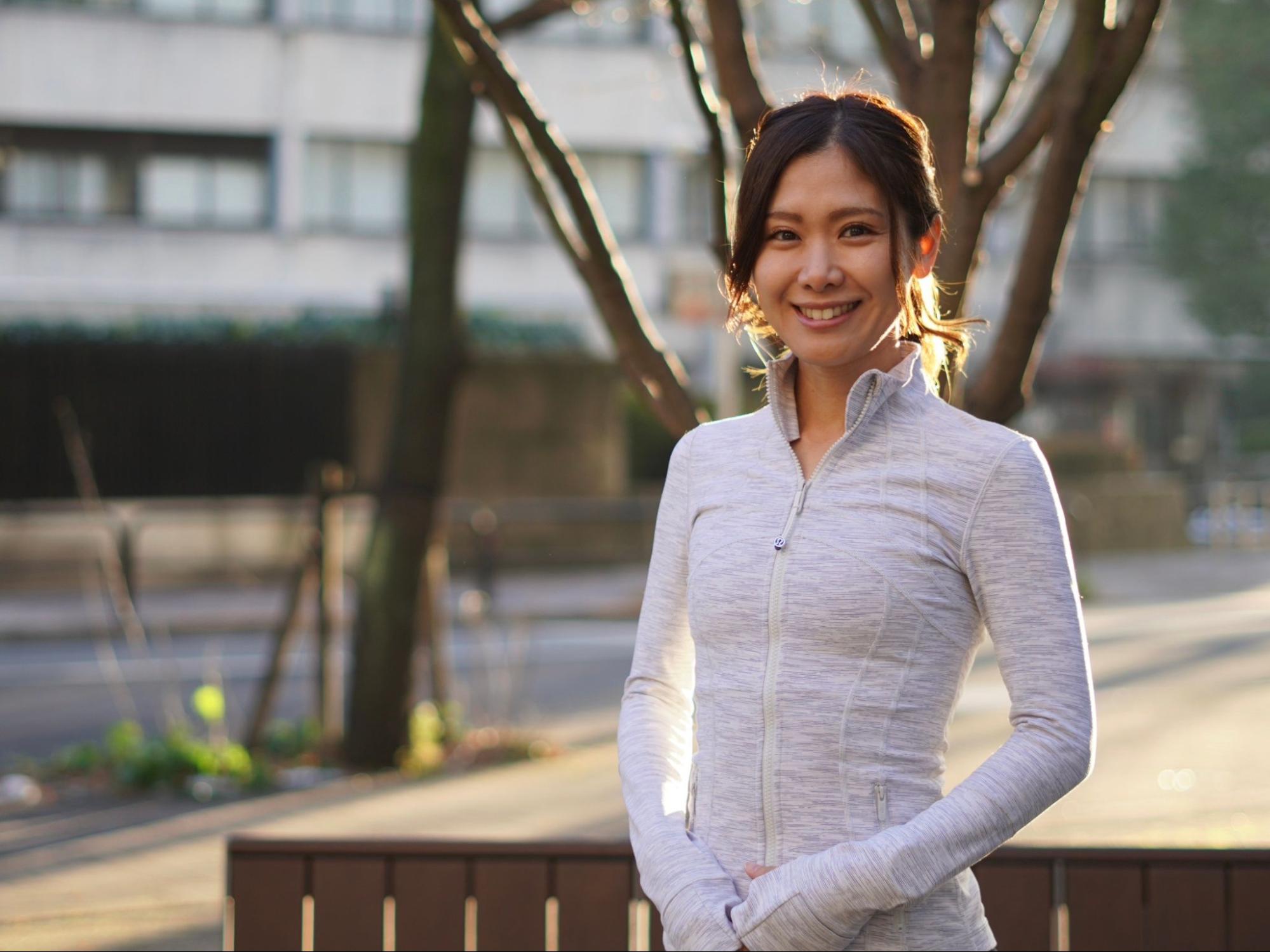
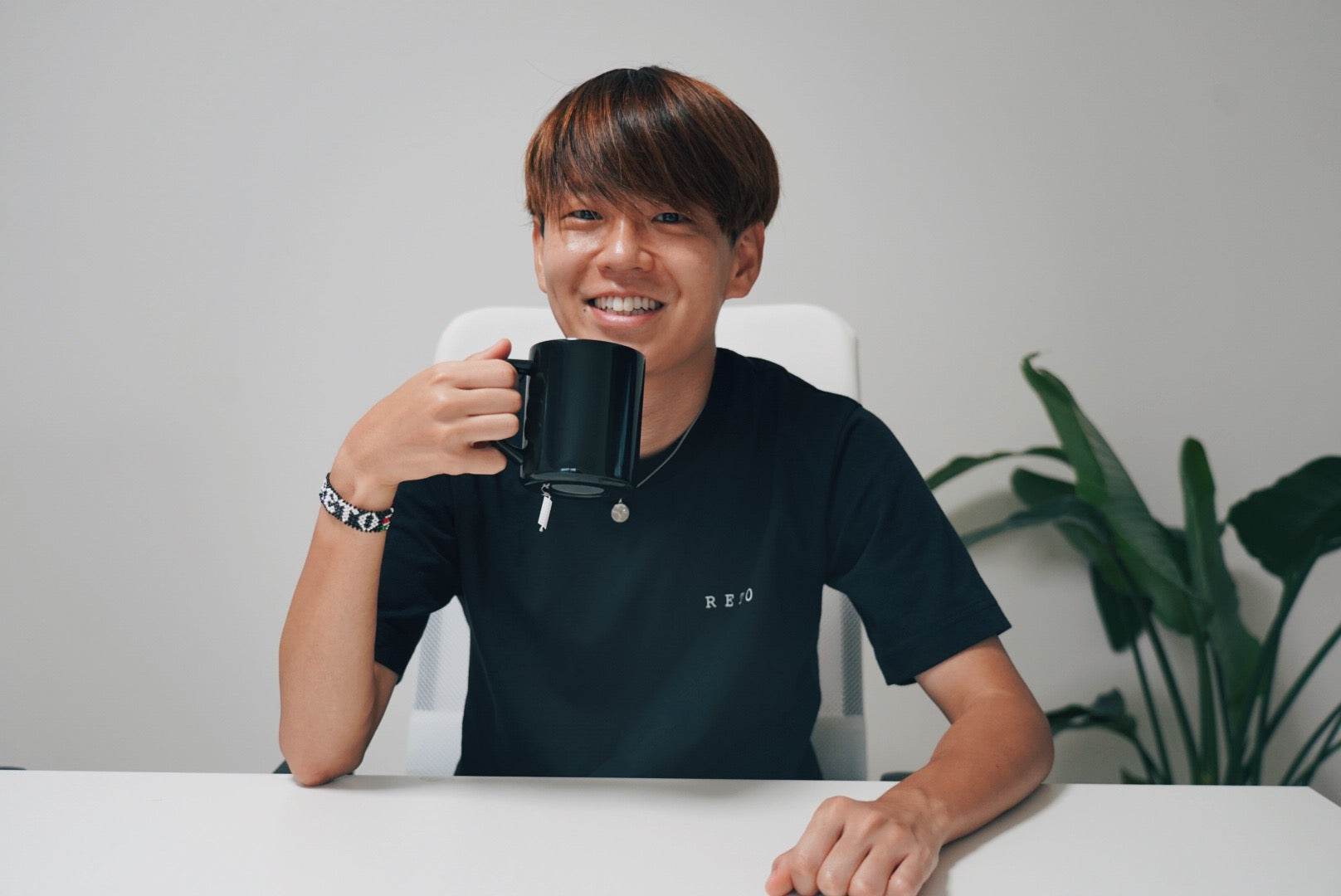
This time, we interviewed professional runner Daichi Kamino and Seiya Takagi, who is the head of the RETO project and a runner (sub-2.5). We asked them about their coffee habits, the relationship between runners and coffee, and their thoughts on the collaborative coffee.
Based on the stories of these two coffee lovers, we would like to explore the question, "Why is a running brand about coffee?"
"I was hoping to serve coffee from RETO someday."

Takagi Seiya (hereafter, Takagi): I love coffee, so I've always wanted to combine coffee and RETO. This time, that dream came true.
I feel that coffee is a familiar presence for runners, with some elite athletes drinking coffee before running. I haven't taken any statistics, but I get the impression that many runners like coffee. Many people naturally practice things like "having a cup of coffee before running" or "stopping by a cafe after jogging." Kamino also drinks a lot.
Daichi Kamino (hereinafter referred to as Kamino): I also like coffee and drink about two cups a day. I usually have one after breakfast and one after lunch. I have a machine to grind beans at home, so I use that when I'm at home. I also often go to cafes.
What made you start incorporating coffee into your daily routine?

── When did you start drinking coffee as a habit? How did you establish your current style?
Jinno: Actually, I couldn't drink coffee to begin with. When I was a university student, I just couldn't think of it as tasty. Many people in the track and field club, including Seiya, drank coffee. There were all kinds of styles, from people who made it themselves in the morning to people who kept canned coffee in their rooms.
My love for coffee began during a chance encounter when I participated in a Japan Association of Athletics Federations (JAAF) selection training camp during my first year at work. After breakfast, when the question "Who drinks coffee?" was asked, not only the athletes but everyone there, including the staff, raised their hands. I couldn't drink black coffee, but I could with sugar and milk, so I raised my hand, thinking I'd try that.
Next, when they asked, "Who wants sugar and milk?", no one raised their hand. I hesitated, and ended up not raising my hand (lol). That day, I made an effort and drank black coffee.
On the second day, I was thinking that today would be the day to ask for sugar and milk, but they stopped asking me (laughs). That's understandable, because on the first day everyone knew that they wanted their coffee black. From then on, I continued to be offered black coffee every morning as a matter of course.
Then, around the seventh day, it was really strange, but I found myself looking forward to coffee. From then on, my morning coffee became a daily routine.
I used to dislike the taste of coffee, but now I absolutely love it. I only drink it black.
Does caffeine actually boost performance?
-- Do runners often drink coffee because they expect it to have some kind of effect? We often hear that it "wakes you up" or "improves your concentration," but is there any connection to that?
Takagi: There is solid evidence of the effects of caffeine, especially in endurance sports. I don't think all coffee-loving runners drink it in the hope of seeing the benefits, but it's true that there is a view that an appropriate amount of caffeine should be consumed before a race.
── Do you have any real-life experiences?
Takagi: When I participate in trail running races over 100km, I strategically take in caffeine. It's hard to say that it's all thanks to caffeine, but when I'm feeling extremely exhausted, taking caffeine makes me feel better. That's when I really feel its effects.
 I achieved my goal in the 110km "Shinetsu Gogaku Trail Running Race"
Jinno: I have felt many times that taking caffeine improves my concentration. However, in my case, I think it's difficult to get the full effect if I drink it every day.
I've tried this in the past, but before an important race, I cut out caffeine. I cut out caffeine for about a week, and then drink it an hour before the race on the day. That's how powerful caffeine is. I know some marathon runners who take in caffeine in the same way.

Kamino: Nowadays, rather than seeking the effects of caffeine, I drink it every day because it increases my happiness in life. I look forward to practicing hard in the morning, eating breakfast, and then drinking coffee afterwards. When I find this coffee, I truly feel happy (laughs).
I look forward to drinking coffee, so I can work hard at practice. It gives me motivation. In my case, I don't drink coffee because I automatically feel like I'm switched on, but rather I drink it with the image of it turning on a switch.
-- Some people drink strategically, others to change their mood, and of course there are also people who drink simply because they like it. It's different for each person.
Kamino: That's right. There are various opinions regarding caffeine intake, including coffee. In my case, I like the taste of coffee, so I prioritize drinking it every day, but there is also a theory that it can be used in races as a performance-enhancing ingredient that is not subject to doping regulations. I think it's best to incorporate it in your own way, taking into account the theory and your own intuition.
The collaborative coffee was completed after a tasting session

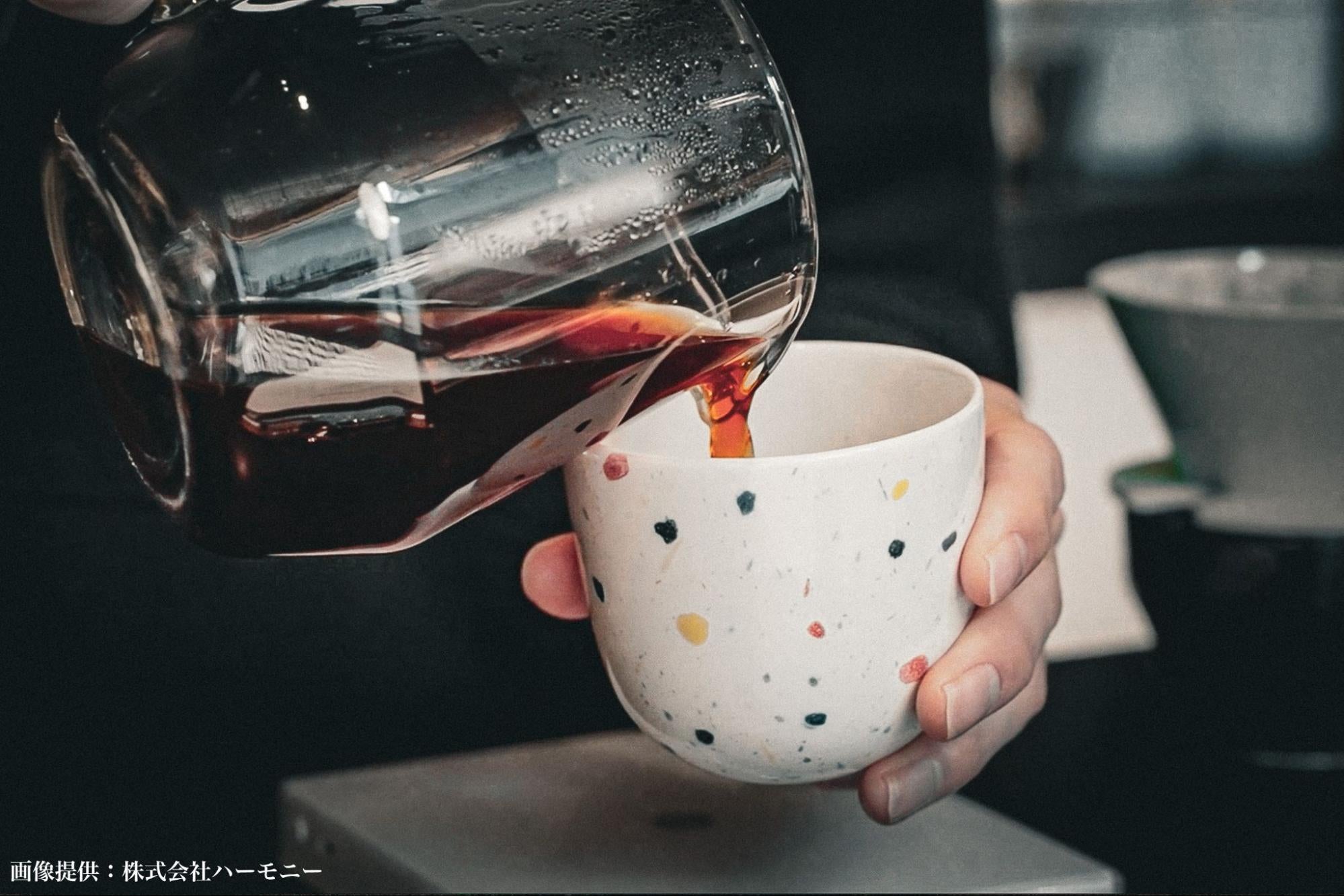
The collaborative coffee is produced by TERRA COFFEE ROASTERS, a specialty coffee shop in Osaka. TCR (Harmony Co., Ltd.), which manages the shop, is also committed to creating a place where sports people can gather through the operation of "TCR.CLUB," which combines coffee and sports.
TCR and RETO first connected through a mutual friend who loves coffee and sports. As they continued to communicate, they had a lively discussion about various topics, such as philosophy, community management, and the future, and the collaboration naturally progressed.
-- I understand that opinions were exchanged at the tasting event, but how did the product development proceed?
Takagi: At the tasting session, we had a total of six different types of coffee prepared. We told them our preferences and they reflected them in the collaborative coffee.
They have both light and dark roasts, and each has a different flavor, but they're all really delicious. In the end, I chose the light roast, which isn't too acidic and is easy to drink, and the dark roast, which gives me a healthy impression.
-- I don't think we see light roast coffee that often. Were you familiar with it before?
Jinno: I've always been a fan of light roasts. Ever since I was impressed the first time I tried light roast coffee at a specialty coffee shop, I've made a point of actively choosing light roasts whenever I have the choice. This time, I sampled three different light roasts alone. There was a fruity one, one with a sour taste, and one I'd never tried before, and I told you about my favorite. I think you'll really get a taste of the original coffee. I'd love for you to try it for yourself.
── Who would you like to drink your collaboration coffee?
Takagi: This coffee is for runners who are working hard to achieve their goals, but I think it will also satisfy coffee connoisseurs. I would be happy if many people could enjoy the taste of authentic coffee.

[To purchase the collaboration coffee, visit the RETO official website]
・KENYA KARIAINI AA [Light Roast]
Characterized by a strong citrus acidity and sweetness, this drink allows you to enjoy the change in acidity.
・BRAZIL CARACOL COMMUNITY NATURAL [Dark Roast]
Characterized by its sweetness and creamy body, this drink lets you experience the Brazilian terroir.