Sub-3 changed my life
Why I Run: Stories from Runners
Vol.1 Hideaki Makino Part 1
Text: Shun Sato

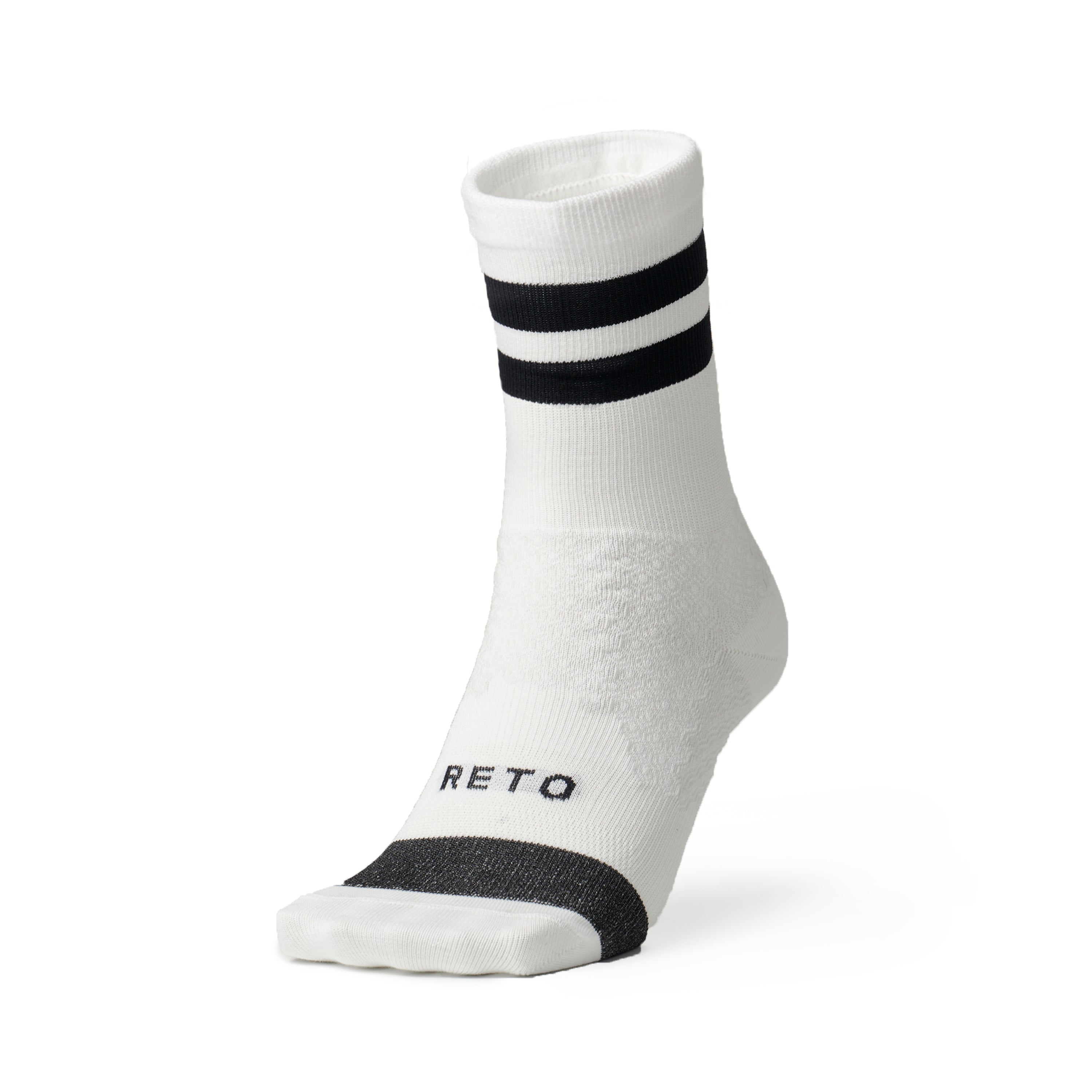
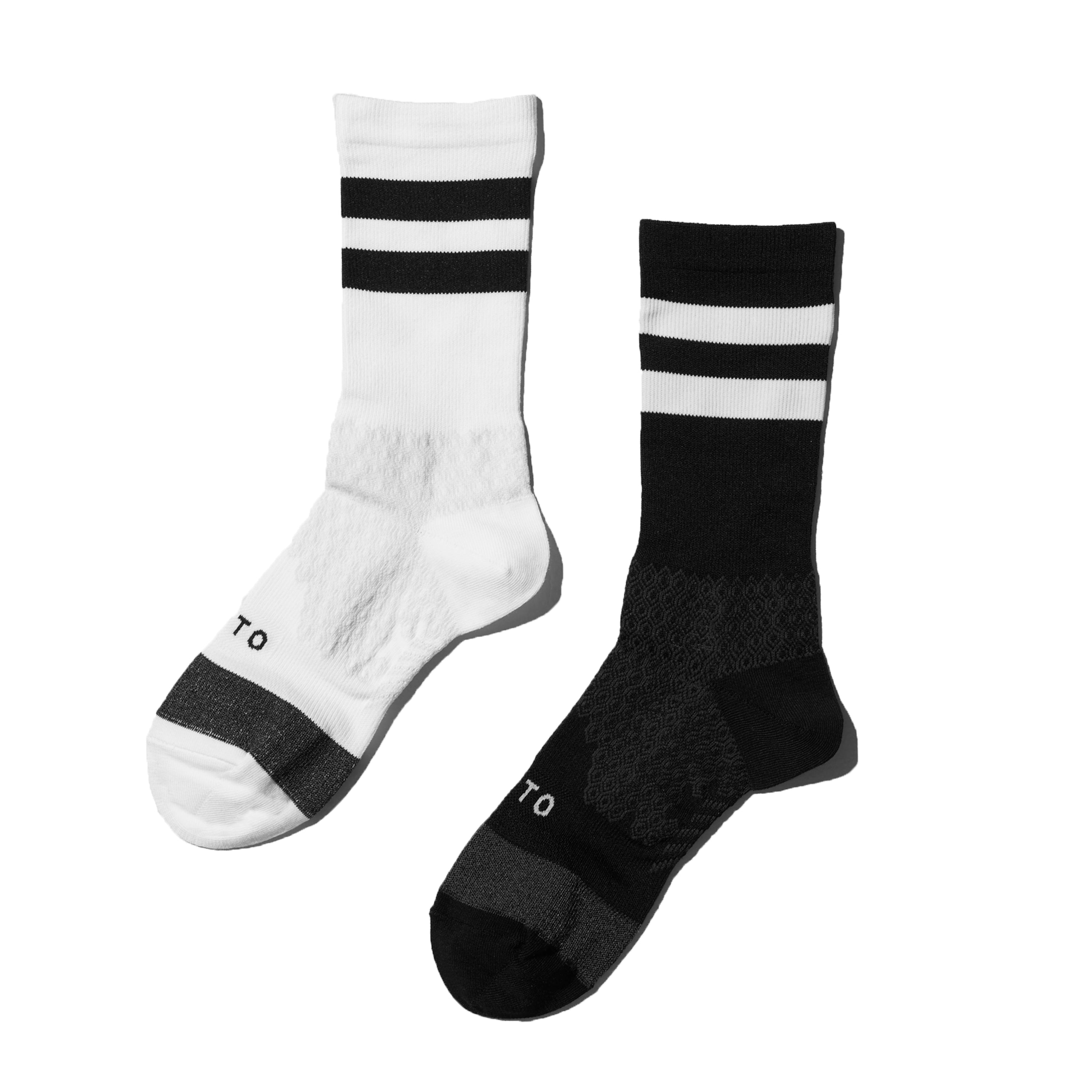
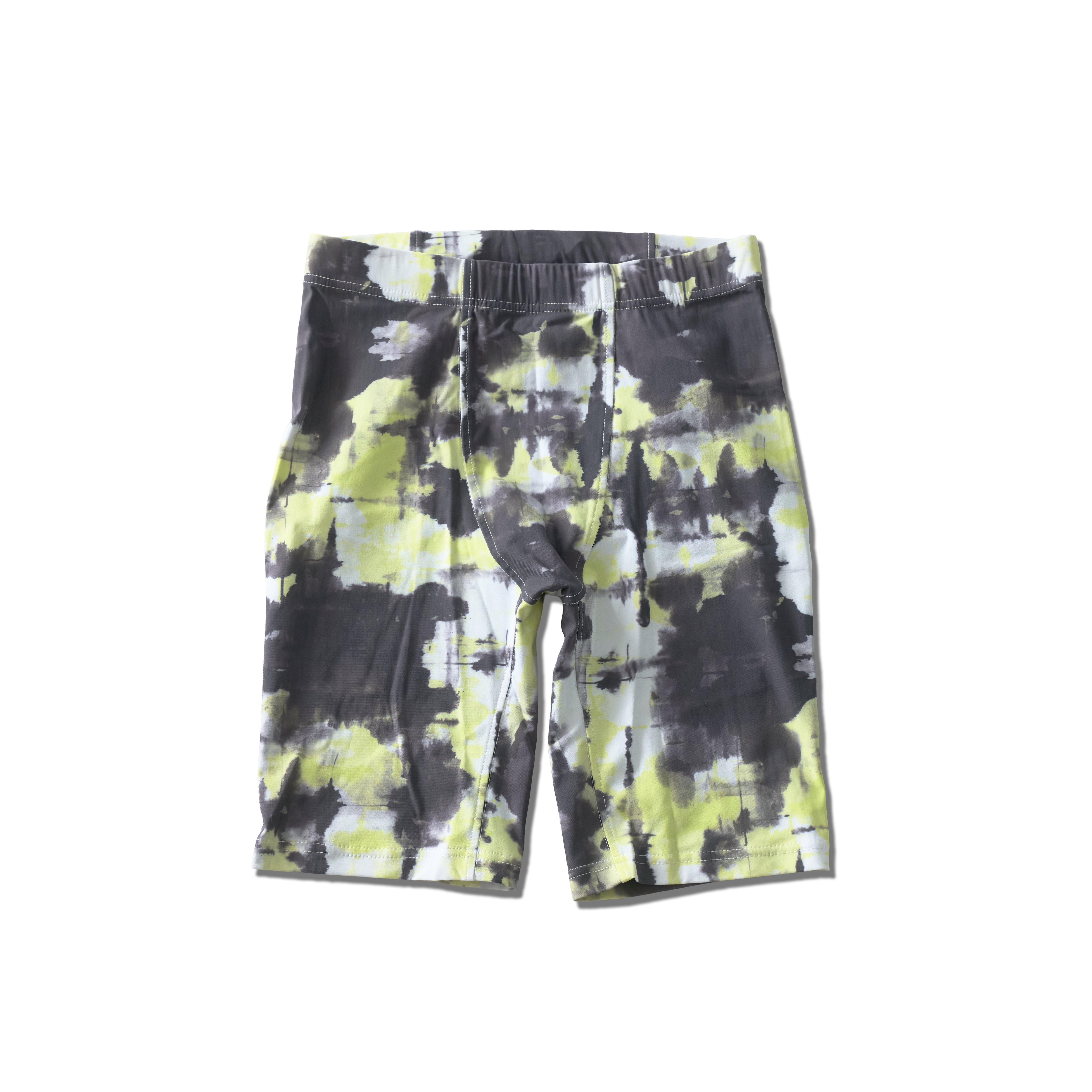
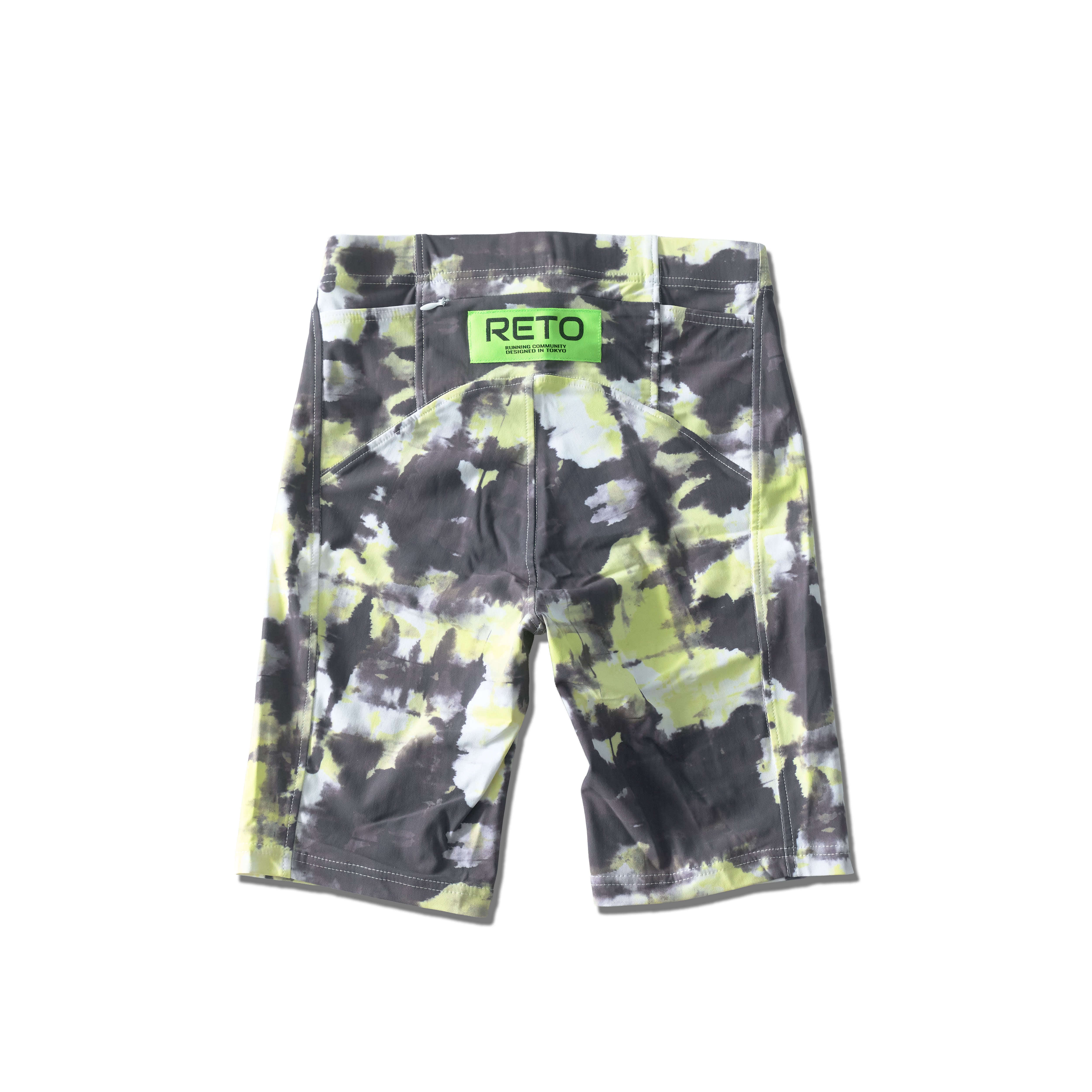
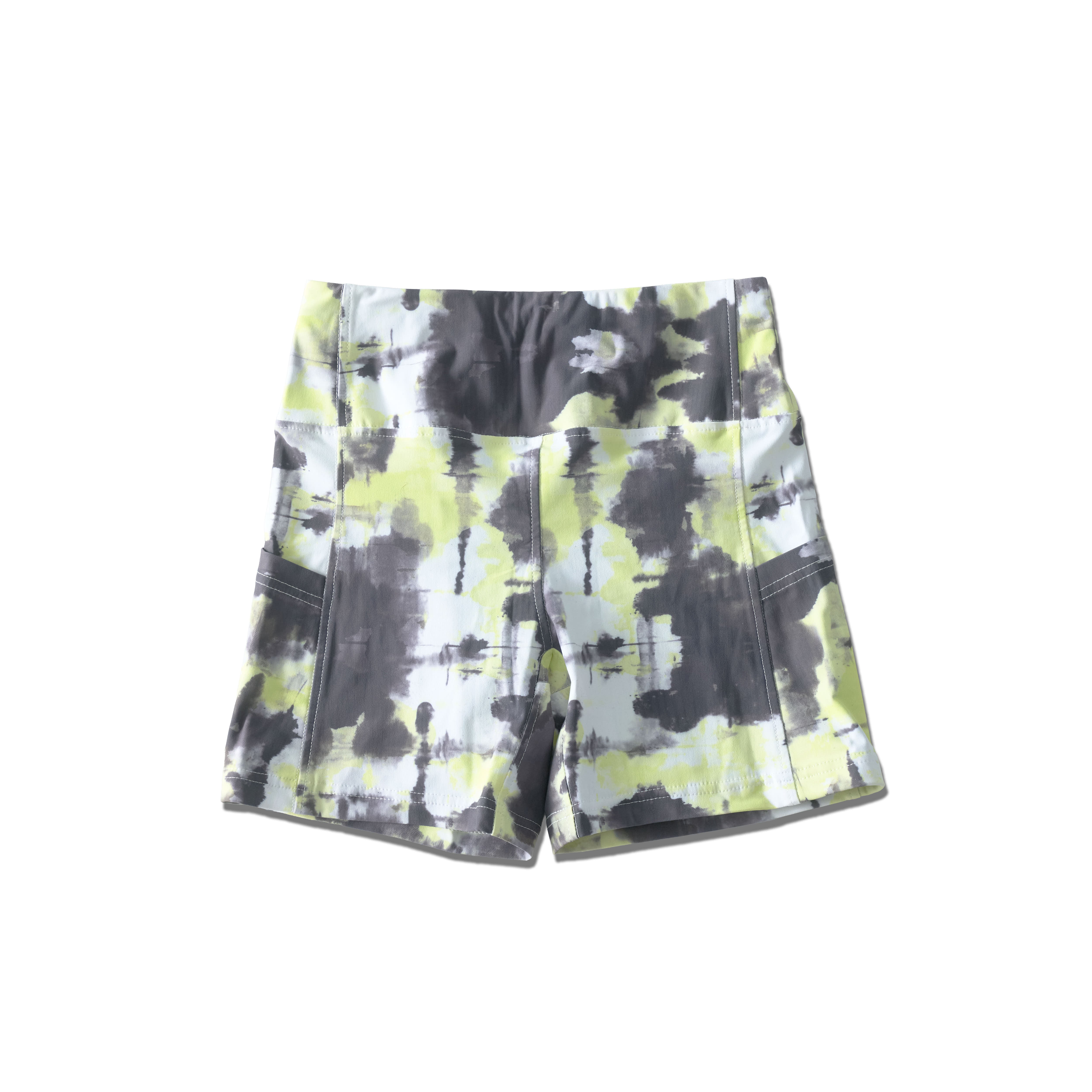
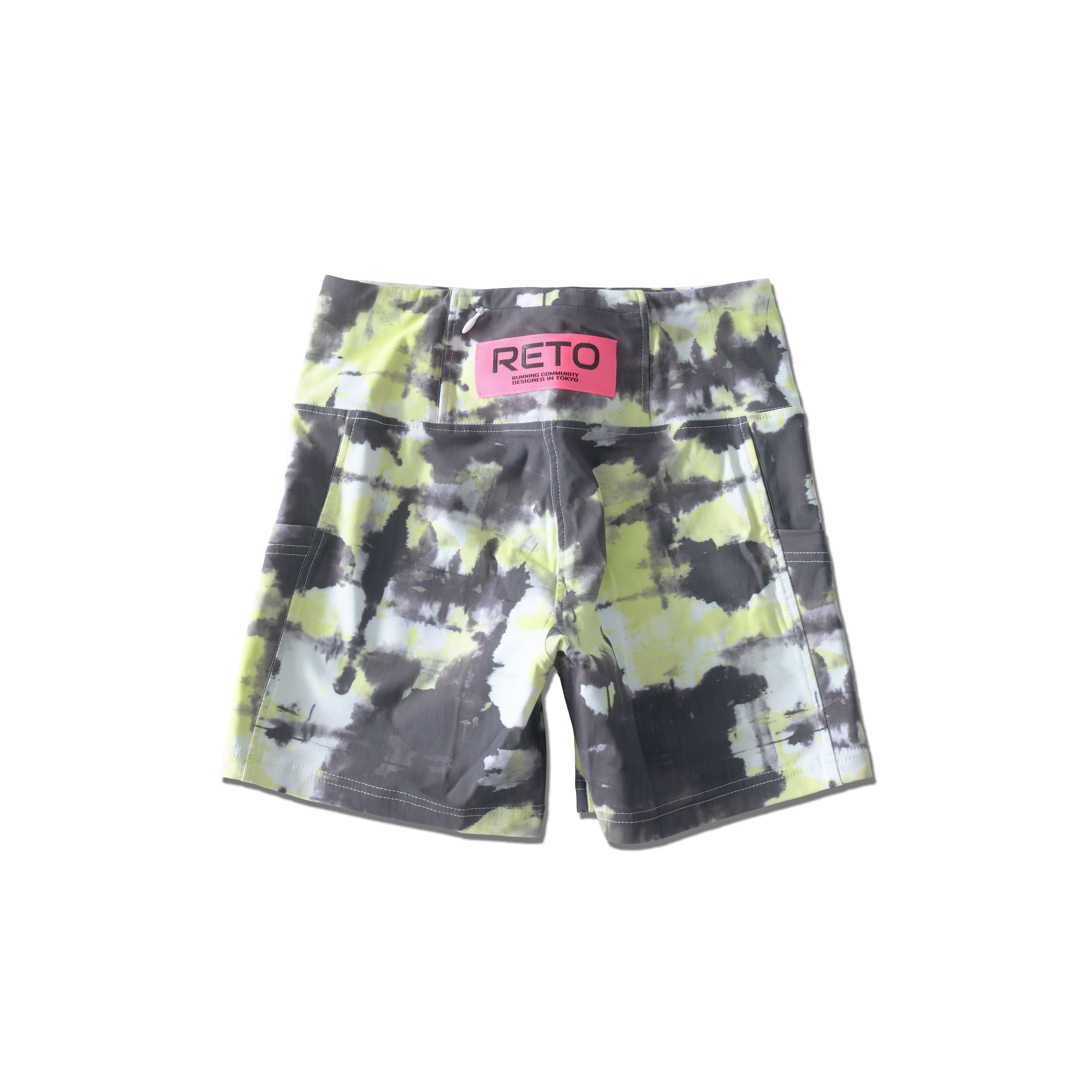
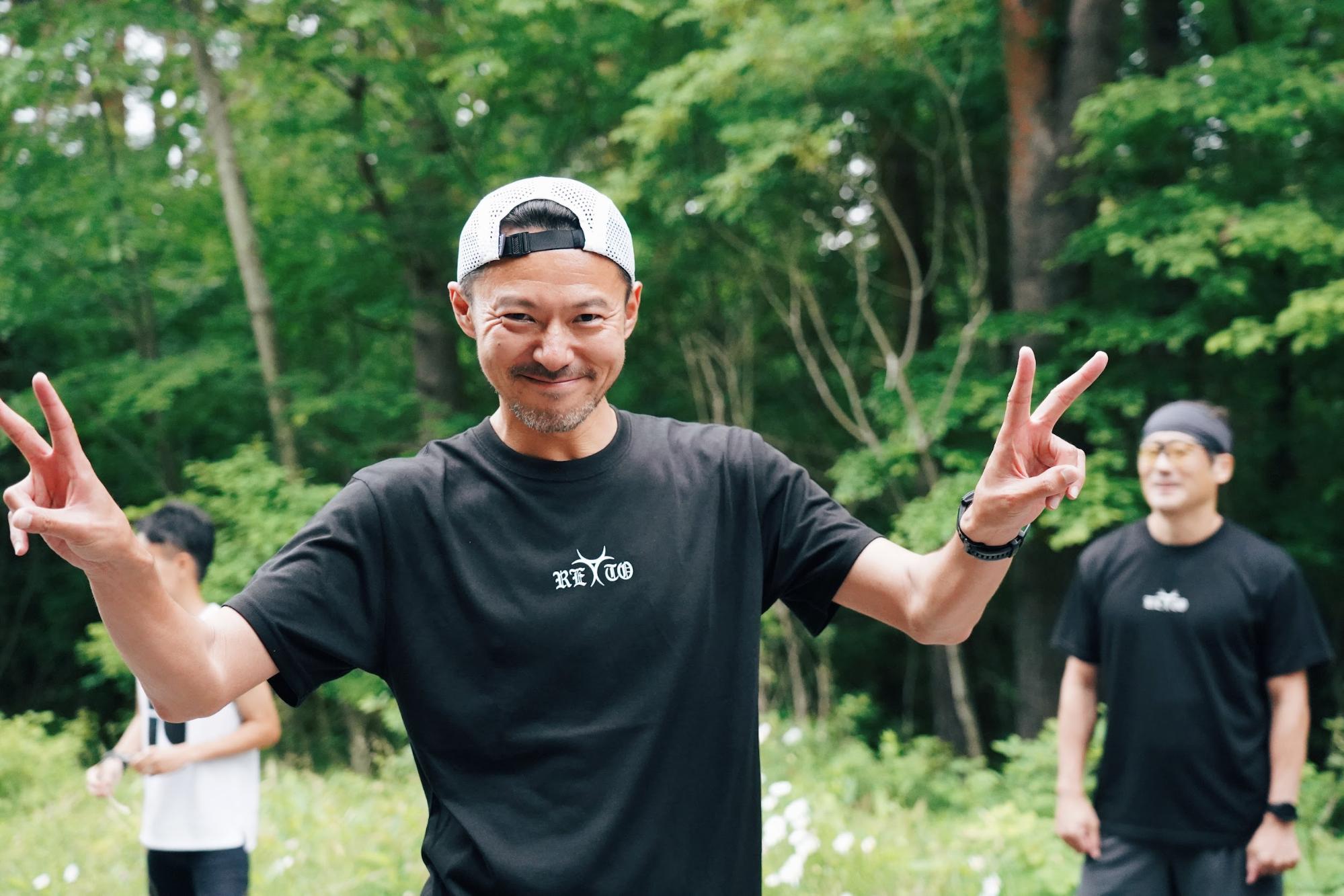
Rather than being an employee of the select shop, it might be more accurate to say that the runner happened to be an employee of the select shop. He ran a marathon in 2 hours and 47 minutes, participated in various races and events as a guest, and was involved in the product development and promotion of running wear.
"Everything about running is fun"
So why does Makino Hideaki continue to run?

A second chance arrives
Makino first became interested in fashion when she was in junior high school.
"I was playing basketball at the time, and Air Jordan basketball shoes were popular, and second-hand clothing was also in vogue. I'm sure my parents wondered why I was paying so much money for second-hand clothes, but it was simply cool. At the time, popularity was split between the gal boys and street style, and I liked the street style, so I read magazines like Boon and SMART. It was around that time that I became interested in fashion, and that was my first turning point."

After entering university, her passion for fashion grew even stronger, and she decided to pursue that path after graduation.
"At the time, selling clothes wasn't really accepted, and it wasn't common to make a living from it. I didn't have any aspirations to become a designer, but I still wanted to work for a clothing company, so I applied to a number of them. I was rejected by all of them, but the only one I made it to the final interview was with Company B, a major select shop."
Maybe I could do what I love for a living, or so I thought, but I was not accepted.
"I thought it wasn't meant to be. But through a series of coincidences, I was hired as a part-timer. From there, my love for clothes just grew stronger, and I spent all my earnings from my part-time job on clothes, leading to a life drowning in debt (wry smile)."
Makino's second chance came a year and a half after he started working part-time. He applied for and was accepted for a mid-career position.
"A year and a half felt like a really long time to me, but there were people around me who had worked there for 10 years but still couldn't become full-time employees. In that sense, I was very lucky to be able to become a full-time employee."

Uncool and unfashionable sports
He was able to make a living doing what he loved, and from then on he devoted his life to fashion, visiting clothing stores and collecting clothes, which was his hobby.
However, if you turn your hobby into a job, you become absorbed in it and lose the ability to think outside of it. Makino, who was a member of the track and field club in high school and has always loved sports, one day signed up to run in the second Tokyo Marathon (2008).
"I was on the track and field team in high school, but I quit because I couldn't stand playing such an uncool and unfashionable sport. But I did find that running every once in a while made me feel refreshed. I ran to stay in shape, and on a whim I registered for a marathon. I won, but I never expected to have to pay the money (wry smile). I wondered if I had to pay 10,000 yen, but I thought it would be a waste to pay, so I entered."

Sixteen years ago, in 2008, Japan's running scene was gradually gaining momentum following the Tokyo Marathon held in 2007. However, it had not yet reached the explosive running boom that we see today, and it felt like the dawn of the new era was still ahead of its time.
"Back then, running wasn't cool, and the people who ran wore white tank tops and shorts (laughs). No one from my company ran in marathons, and no one around the clothing store ran. I work in the fashion world, but I took to running with a slightly cynical attitude, like, 'I'm deliberately doing something uncool like that.'"

Time is your business card
In the 2000s, running was considered an unsophisticated sport, and for Makino, it was perhaps positioned as a fashion statement that set her apart from others. Another thing that changed her mindset, which prevented her from taking running seriously, was her encounter with a running club.
"For the first four or five years after I started running, I ran alone and participated in competitions by myself. One day, I was invited to join a running club run by fashion media. The people who gathered were from all walks of life and of all ages, but I had a lot of fun running with everyone. When we went out for drinks after the run, we started talking about how long it takes to run a full marathon. I had only managed an intermediate time of four hours and 12 minutes... At that time, I thought I wanted a time that would serve as my calling card. From then on, I started to train for the marathon seriously."

I was a heavy smoker and thought that a quick smoke after a marathon was good, so I felt like I was running for that reason, but I quit smoking in order to run seriously. I came up with a training menu and started participating in point training at a running club.
"Doing high-intensity training with everyone is rewarding, and I now feel a greater sense of accomplishment than I did in club activities. In high school, I didn't think you needed skill to run, and I just did what I was told. I didn't know whether I was in good or bad shape, and it was all about physical strength, so it wasn't fun at all. But with the running club, I was able to spend very meaningful time, and I started to enjoy running."
From then on, he began to seriously train for the marathon, improving his running skills by improving his form and using videos and what he had seen and heard.

No suit + leather shoes
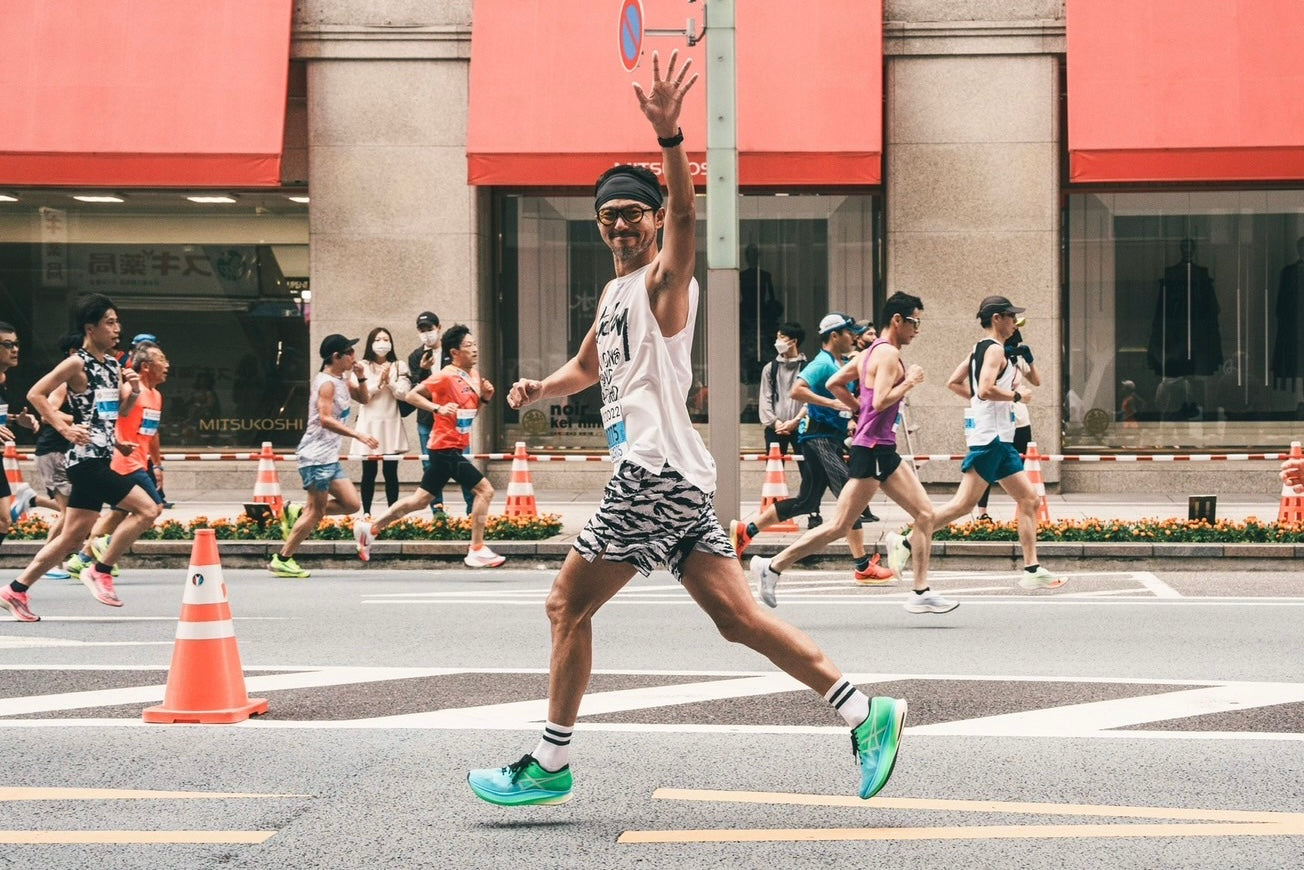
He achieved sub-3 times, clocking 3 hours and 8 minutes in the 2016 Tokyo Marathon, 3 hours and 2 minutes in the 2017 race, and 2 hours and 52 minutes in the 2018 race.
"After achieving the sub-3 time, running became an increasingly important part of my life."
This also changed Makino's awareness of fashion.
Sometimes I would wear a suit to work as a fashion statement, but on those occasions I would drink too much, oversleep, and have to walk home from the station. Walking 9 kilometers home in a suit was quite tough, so I started to think it would be better to dress so that I could run at any time.
"I stopped wearing suits and leather shoes and started wearing clothes that were easy to move in, with bags that had waist belts and running shoes instead. My fashion became centered around running. Up until then, fashion had always been at the center of my life, but when I replaced running with it, fashion became just another peripheral element of running. That was a major turning point in my life."
He loves clothes. Fashion is life. At Company B, where there is such a group, Makino's running-centered style has made him stand out among the rest of the company.
"The biggest reason I was able to position myself differently from the people at my company was because I achieved a sub-3 marathon and started getting media coverage because 'Company B has a fast runner.' After that, I posted on social media about 'outfits for running 10km anytime,' and a lot of people found it interesting. It wasn't that I tried to change, but rather that the environment around me changed, and people started to see me differently."

Sub-3 will change your life
The catalyst for this was the "medal" of running under three hours. This time, which earned him respect as a runner, changed the way people viewed Makino.
"The sub-3 time changed my life. So when I'm a sub-3 pacer, I tell everyone, 'I'm going to get a sub-3 time and change my life. I'm definitely going to do it!'" (laughs)
Runners respond to his voice sharing his own experience, and smiles appear on the faces of those who achieve their goals. This has some kind of impact on each person's life. This is one of Makino's biggest motivations for running.