
Overcoming the frustration of Beyond
RRC member interview
Text: Shun Sato

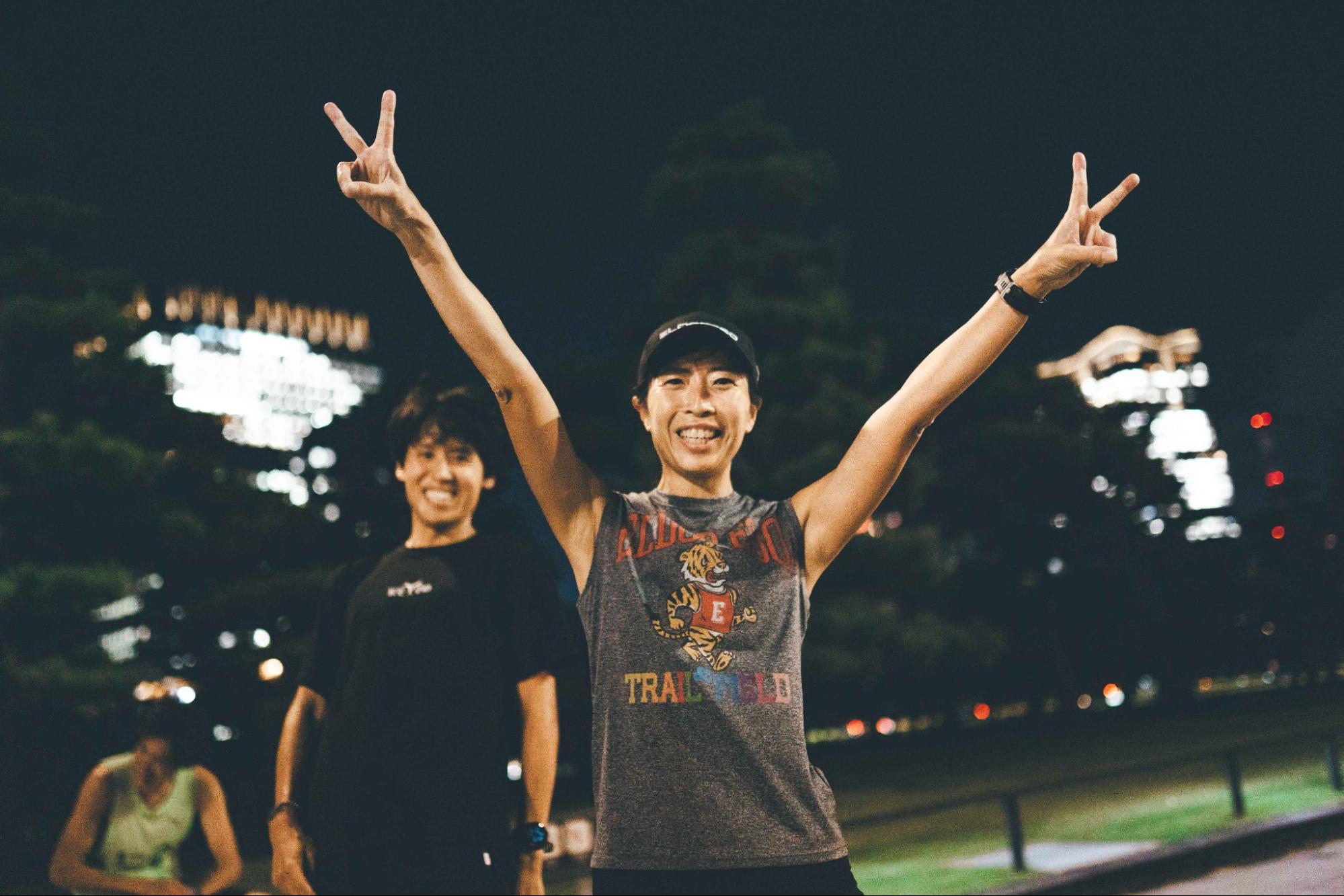
7th Course A+ Team (Goal: Sub-2 hours 50 minutes) MVP: E Katayama
The regrets of Beyond 2022
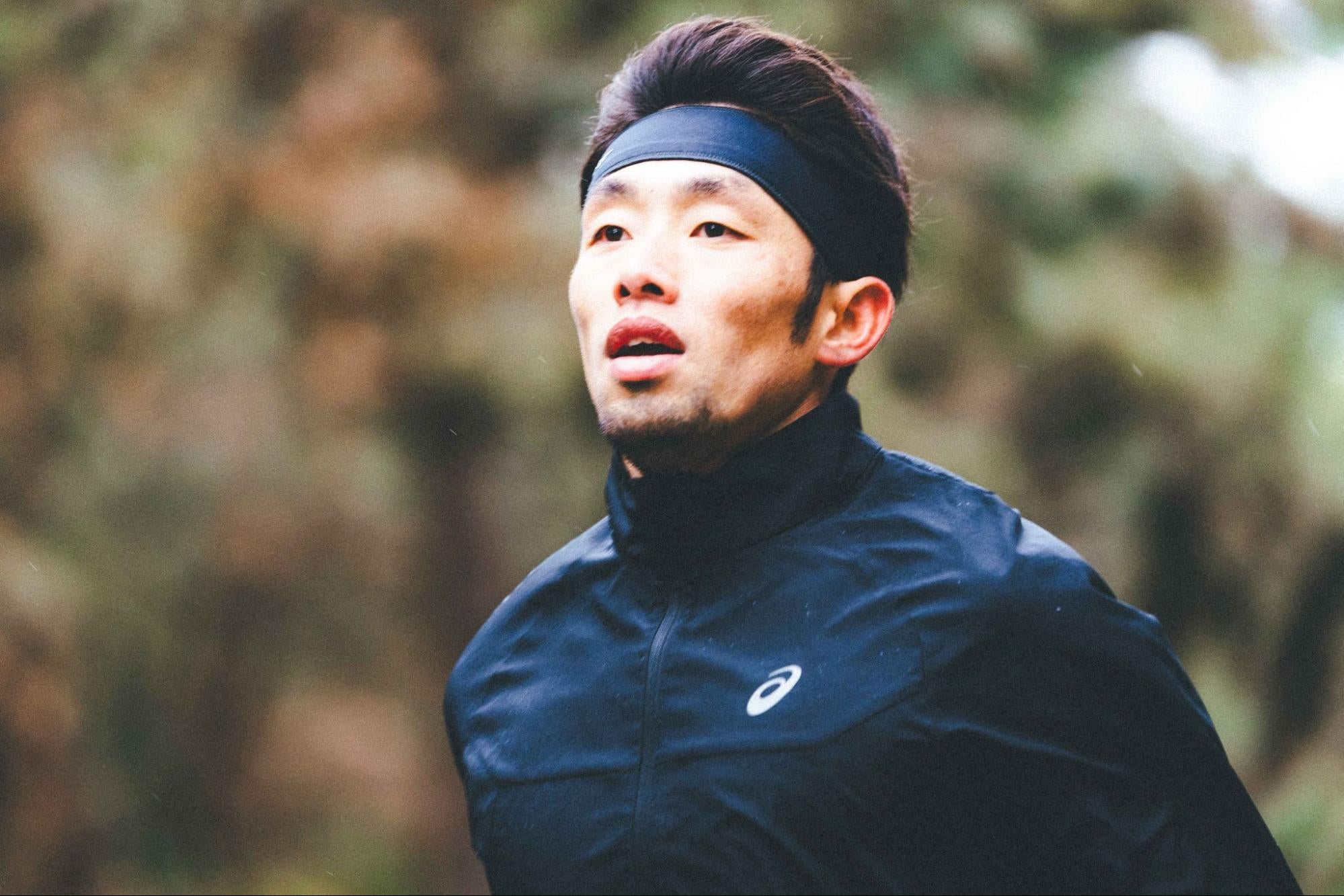
A big part of my success in achieving a sub-3 time and setting a personal best (2 hours 51 minutes 34 seconds) at the Qingdao Pacific Marathon was changing my training and the way I approached it. Instead of first training with the goal of achieving a sub-3 time, I changed my approach to training for a sub-EGA (under 2 hours 50 minutes) and then achieving a sub-3 time. The emphasis in my training was on running long distances. At first, I was reluctant to run long distances, and I was thinking about how to run as cost-effectively as possible, which was a bit of a stretch. However, the 2022 Beyond marathon made me realize that simply running 10 or 20 kilometers doesn't make you stronger, and you can't complete the marathon.

Practice by friends that I used as reference
I used the training methods of Karappe (Koji Karatsu) as inspiration. Looking at his training when he achieved results in the Gold Coast Marathon, I noticed that he included a medium-long run the day after his RETO key training, completed the key training even though it was early in the morning, and also made sure to include one long run per week. While incorporating this training menu, I changed my medium-long and long runs so that I controlled the intensity with my heart rate rather than pace. Since pace is affected by environmental factors such as terrain, wind, and temperature, I was taught a training method of running at a heart rate that suits the purpose of the training, and I incorporated it.

The fear of losing what you've built up
I also placed importance on taking care of myself after I finished running. After Beyond 2022 ended, I got injured and couldn't run for about a month. My left iliotibial band was already hurting, but then my right started hurting as well, and at the same time, I developed anserine bursitis, and it took about six months for the discomfort to go away. At the time, I felt like everything I had built up was falling apart, and I really hated that. Because of that experience, I spent a lot of time on taking care of myself, and even now I continue to do the stretches that Nakano (James Shuichi) taught me during the Kujukuri training camp.

Ingredient consciousness
I shout at practice sessions not only to motivate myself, but also because I want to complete the training menu together with everyone. At first, I wanted to look cool and show off, but once I let go and started shouting and getting everyone excited, everyone got excited too, and we were able to get through tough training menus together. I used to shout when I was in the American football club in my school days, so it was ingrained in me (laughs).

RETO's support culture
I think the culture of cheering at RETO started to emerge around last year's race season. I love cheering on my teammates with all my might during races because it's fun and I do it; it's become a part of my personality (laughs). Everyone trains to achieve their own goals, and of course that's the main focus, but gradually, seeing other teammates achieve their goals has become a source of joy for everyone, and I felt that an atmosphere of everyone wanting to see their training through has developed. Some people achieve their goals, while others have bitter experiences. I've also experienced disappointment, and I've achieved personal bests. Everyone, including myself, has come to share those pains and joys, and I think that's why a mood of cheering and training together to work hard has emerged at RETO.
Essential things in life
RETO has become an indispensable part of my life. I feel truly blessed to have found friends at this age who are passionate about marathon running and who are serious about it.






%20MVP:%20E%20Katayama%0A%0A%0A%20The%20regrets%20of%20Beyond%202022%0A%0A%0A%20A%20big%20part%20of%20my%20success%20in%20achieving%20a%20sub-3%20time%20an...)